

Founder Personal Branding Is Becoming Bigger Than Company Branding
A company can spend millions on branding and still struggle to build trust. Meanwhile, a founder sitting in front of a camera sharing honest opinions for two minutes can attract more attention than an entire corporate campaign. That is the shift happening across modern business. People are no longer emotionally connected to polished company messaging alone. They want to know who is running the company, what the founder believes in, how they think, how they communicate, and whether they feel authentic.
This is exactly why Founder Personal Branding has become one of the biggest business trends in recent years. From startups to billion-dollar companies, founders are no longer staying behind the scenes. They are becoming the public face of their brands. Customers follow founders on LinkedIn, watch their interviews on YouTube, listen to their podcasts, and engage with their thoughts on social media before they even explore the company website. Today, branding is becoming deeply personal, and audiences are connecting more with leadership personalities than with traditional corporate messaging.
The companies attracting the most trust online are often led by founders who have built strong visibility and credibility publicly. Whether it is Bill Gates, Steve Jobs, Elon Musk, or Ratan Tata, one thing is very clear — founder identity now influences company perception more than ever before.
What Is Founder Personal Branding?
Founder Personal Branding refers to the process of building a founder’s public image, authority, personality, and influence through content, communication, public appearances, interviews, social media, podcasts, and thought leadership.
Instead of letting only the company speak, the founder becomes a recognizable voice in the industry.
Founder Personal Branding includes:
- Sharing industry insights publicly
- Posting regularly on LinkedIn or X
- Appearing in interviews and podcasts
- Discussing business lessons openly
- Sharing personal experiences and failures
- Building trust through transparency
- Engaging directly with audiences online
This approach helps audiences connect emotionally with the founder, which naturally strengthens the company itself.
In many industries today, customers trust founders faster than they trust advertisements.
That is why Founder Personal Branding is becoming a major growth strategy for startups, agencies, technology companies, and modern businesses globally.
Why Founder Personal Branding Is Growing So Fast
People Trust Humans More Than Logos
One of the biggest reasons behind the rise of Founder Personal Branding is simple — people connect with humans more naturally than corporations.
A logo cannot tell stories.
A company page cannot create emotional connection the way a founder can.
When founders share:
- their struggles
- their business journey
- lessons from failure
- behind-the-scenes experiences
- honest opinions
People pay attention because it feels real.
Modern audiences are becoming smarter and more selective. They can immediately identify overly scripted corporate communication. Authentic founder-led communication feels more natural and relatable.
That emotional trust is extremely valuable in business.
Social Media Changed Branding Completely
Social media platforms completely changed how businesses build attention.
Earlier, companies depended heavily on:
- television ads
- newspapers
- PR campaigns
- expensive marketing agencies
Now a founder with a smartphone and clear communication skills can build massive visibility online.
Platforms like LinkedIn, Instagram, YouTube, X, and podcasts reward personality-driven content.
This is why founder personal branding performs significantly better than traditional corporate posts in many cases.
A founder’s single post can generate:
- media attention
- leads
- shares
- investor interest
- podcast invitations
- brand awareness
- recruitment opportunities
Meanwhile, highly polished company posts often struggle to create engagement.
Founder Personal Branding Creates Faster Trust
Trust has become one of the most valuable currencies online.
Consumers today research everything before buying:
- company culture
- founder reputation
- leadership values
- public communication
- online presence
If people trust the founder, they automatically become more comfortable trusting the business.
This is why it directly impacts:
- customer loyalty
- conversions
- hiring quality
- investor confidence
- public perception
People prefer buying from brands led by founders they admire.
Apple and Steve Jobs
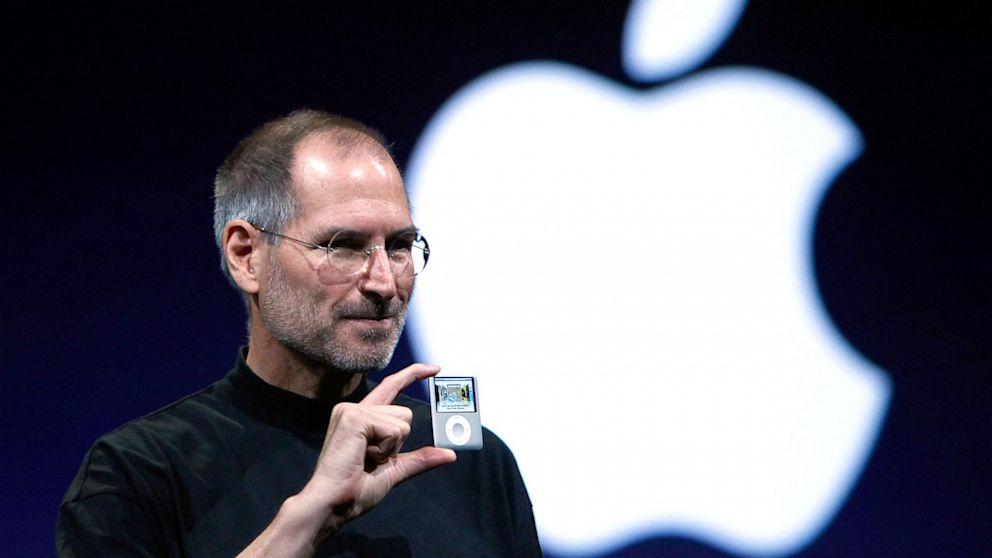
Apple Inc. is already one of the most influential companies in the world, but leadership visibility still shapes how audiences view the brand.
Steve Jobs built a calm, stable, and thoughtful public image.
His communication style focuses heavily on:
- innovation
- consumer privacy
- sustainability
- ethics in technology
Whenever Steve Jobs speaks publicly, his words influence Apple’s reputation globally.
People now associate Apple not only with products, but also with leadership values.
This is one of the strongest examples of a founder’s personal branding influencing company perception.
Microsoft and Bill Gates
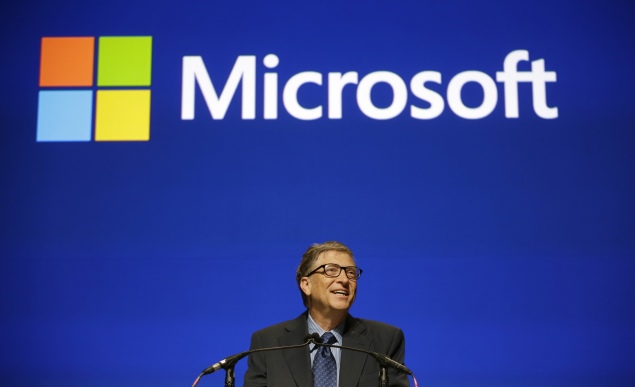
Microsoft became a global technology leader, but Bill Gates played a huge role in shaping public trust around the brand.
Bill Gates became known as:
- a technology visionary
- a strategic thinker
- a problem solver
- a philanthropist
Even after stepping away from daily operations at Microsoft, his personal reputation continues influencing how people perceive the company’s legacy.
That is the long-term strength.
The founder becomes larger than the business itself.
Tesla and Elon Musk

Tesla rarely depends on traditional advertising compared to other global automotive brands.
Yet Tesla constantly dominates online conversations.
A major reason is Elon Musk.
His online activity, interviews, opinions, product launches, and public personality continuously keep Tesla in public attention.
Whether people agree with him or not, Elon Musk proves how influential it can become in modern business.
His personal visibility drives global awareness for Tesla without relying heavily on conventional marketing.
Tata Group and Ratan Tata

In India, few examples are stronger than Tata Group and Ratan Tata.
Ratan Tata built enormous public respect because of his humility, ethics, simplicity, and leadership values.
People emotionally trust the Tata brand because they associate it with Ratan Tata’s personality.
That trust extends across industries including:
- automobiles
- technology
- aviation
- hospitality
- finance
This is why it can influence multiple businesses under one brand umbrella.
Indian Startups Are Embracing Founder Branding
Indian startup culture is rapidly adopting Founder Personal Branding.
Founders are now becoming creators, educators, podcast guests, and social media personalities.
Zerodha founders Nithin Kamath and Nikhil Kamath regularly discuss:
- business growth
- investing
- startup culture
- hiring
- economics
Their public visibility helped Zerodha build strong trust without massive advertising budgets.
Other Indian founders actively building personal brands include:
- Aman Gupta
- Peyush Bansal
- Kunal Shah
- Bhavish Aggarwal
- Deepinder Goyal
This trend is becoming stronger every year.
Why Founder Personal Branding Helps Recruitment
Modern employees research founders before joining companies.
They want to understand:
- leadership style
- company culture
- communication approach
- founder mindset
A founder with strong public credibility attracts better talent naturally.
Many professionals now prefer working with leaders they admire instead of joining companies with only strong salaries.
This makes it valuable not only for customers, but also for hiring and retention.
Investors Also Look at Founder Visibility
Investors today evaluate more than just business ideas.
They also study:
- founder communication skills
- public trust
- leadership influence
- audience engagement
- industry authority
A founder with a respected public image already has distribution and attention.
That reduces marketing friction significantly.
This is why many modern investors appreciate founders who actively build visibility online.
Why Traditional Company Branding Alone Is Not Enough
Traditional company branding still matters, but it no longer creates enough emotional connection by itself.
Logos, taglines, and advertisements can build awareness, but they rarely build loyalty the way founders can.
A founder can explain:
- why the business exists
- what mission drives them
- what problems they care about
- what values they believe in
That emotional layer makes Founder Personal Branding far more relatable than traditional corporate communication.
Winning the AI Race: How to Make Your Brand Show Up in AI Recommendations
The Risks of Founder Personal Branding
While founder personal branding is a powerful growth strategy, it also comes with certain risks that businesses need to manage carefully. These challenges can impact both the individual and the company if not handled properly.
Reputation Risks
A founder’s actions, statements, or controversies can directly influence how the entire company is perceived. Even a small mistake can quickly spread online and affect brand credibility. This makes reputation management extremely important in personal branding.
Public Pressure
Once a founder becomes visible online, they are constantly under public observation and scrutiny. Every post, opinion, or decision may be analyzed and criticized. This ongoing pressure can affect both personal well-being and professional communication.
Overdependence
In some cases, the company’s identity becomes too strongly tied to the founder’s personality. This creates risk if the founder steps back or faces negative publicity. It can limit the brand’s ability to stand independently in the market.
Despite these challenges, businesses continue to invest in founder personal branding because it builds strong trust, increases visibility, and creates a more human connection with the audience.
How Founders Can Build Strong Personal Brands
Building a strong personal brand as a founder requires consistency, authenticity, and meaningful engagement with the audience. Over time, these efforts help establish trust, authority, and long-term influence in the industry.
Share Consistent Content
Posting regularly helps audiences recognize and connect with the founder’s voice and perspective. Consistency builds familiarity and keeps the brand top-of-mind. It also strengthens visibility across digital platforms.
Be Authentic
Authenticity is key to building real trust with an audience. People are more likely to engage with honesty rather than overly polished or perfect content. Being genuine helps create stronger and more lasting connections.
Speak About Industry Trends
Sharing insights about industry updates and future trends positions founders as knowledgeable leaders. It builds authority and credibility within their niche. This also helps attract a more relevant and engaged audience.
Show Real Experiences
Talking about real challenges, failures, and lessons makes a founder more relatable. It adds a human touch to the personal brand. These experiences often create deeper emotional connections with the audience.
Build Community
Engaging with followers through comments, messages, and discussions helps strengthen relationships. Active interaction shows that the founder values their audience. This builds trust and encourages long-term loyalty.
These strategies become even more powerful over time, gradually shaping a strong and influential personal brand.
The Future of Founder Personal Branding
The future of branding is becoming increasingly human-focused.
AI-generated content is making corporate communication feel more automated. Because of this, authentic founder visibility is becoming even more valuable.
People want:
- transparency
- personality
- direct communication
- leadership they can relate to
The companies dominating online attention in the future will likely be led by founders who understand how to build trust publicly.
This is why it is no longer optional.
It is becoming a major competitive advantage.
Conclusion
The relationship between brands and audiences is changing rapidly.
People no longer connect deeply with company logos alone. They connect with founders, personalities, values, and leadership styles.
From Bill Gates and Ratan Tata to Steve Jobs and Elon Musk, some of the world’s biggest business leaders prove how influential Founder Personal Branding has become.
A founder with strong public trust can drive:
- visibility
- credibility
- customer loyalty
- hiring strength
- investor confidence
- long-term brand growth
The businesses that understand this shift early will have a major advantage in the modern attention economy.
FAQs
- What is Founder Personal Branding?
Founder Personal Branding is the process where founders build their public identity through content, communication, and thought leadership. It helps people connect with the founder personally, which increases trust in the company and improves overall brand visibility. - Why is Founder Personal Branding becoming more important?
People now trust individuals more than corporate messaging. A visible founder creates stronger emotional connection, credibility, and engagement compared to traditional advertising or company-only branding efforts. - How does Founder Personal Branding help businesses grow?
It helps attract customers, investors, employees, and media attention. Strong founder visibility builds trust faster and improves brand recall because people remember personalities more than logos. - Which founders are famous for strong personal branding?
Examples include Steve Jobs, Ratan Tata, Elon Musk, Bill Gates, Gary Vaynerchuk, and Nikhil Kamath. Their public presence and communication style significantly strengthen their companies’ image. - Is Founder Personal Branding useful only for startups?
No, it works for startups, SMEs, and large corporations. Any business can benefit from founder visibility as it helps build trust and stronger audience relationships. - Which platforms are best for Founder Personal Branding?
LinkedIn, Instagram, YouTube, X, and podcasts are most effective. The choice depends on the founder’s industry and how they prefer to communicate with their audience. - Can small business owners build Founder Personal Branding?
Yes, even without large budgets. Consistent posting, honest communication, and sharing real experiences can help small business owners build strong authority over time. - What kind of content should founders post online?
Founders should share business insights, lessons, failures, achievements, and industry opinions. Authentic and educational content works best for building trust and engagement. - What are the risks of Founder Personal Branding?
It increases public visibility, which also brings scrutiny. Any mistake or controversy can impact the company’s reputation, so communication must be careful and consistent. - What is the future of Founder Personal Branding?
It will become even more important as audiences demand authenticity. With AI-generated content rising, human-driven leadership and transparency will dominate attention and trust.
At Techee, We Build Brands, Not Just Websites or Marketing Strategies!
Connect with our skilled web and app specialists to achieve flawless development and smooth execution. We don't just create websites, apps, or marketing strategies. We build brands with solutions tailored to real business challenges.
Contact Now for Brand Transformation


